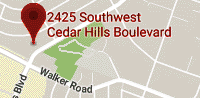
We are excited to announce we will be changing locations starting January 5th! We will be seeing patients in the Southwest Animal Hospital building at 2425 SW Cedar Hills Blvd Beaverton, OR 97005. Please call (503) 643-2137 to make an appointment for in 2019.
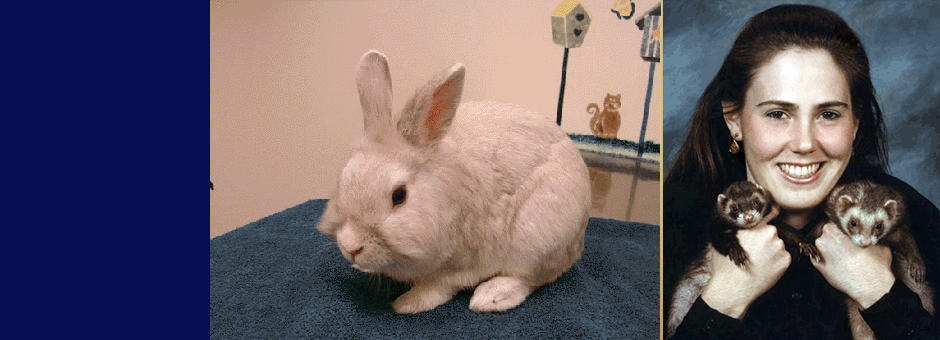
Northwest Exotic Pet Vet, LLC is a full service exotic pet practice. We offer personalized, high quality, compassionate care exclusively for ferrets, rabbits, rodents, reptiles, sugar gliders, and other exotic pets. We strive to provide top notch customer service to our clients and focus on clear, open communication.
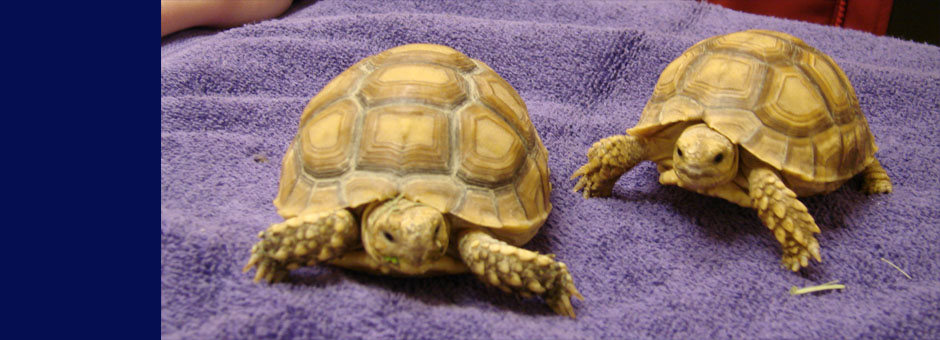
We help exotic pet owners understand the importance of preventive medicine and strongly emphasize client education. We treat our clients with dignity and respect and treat our patients as if they were our own pets. Our goal is to help your special friends have a long, happy and healthy life so that you can enjoy each other as long as possible.
Copyright © 2019 - All Rights Reserved - Northwest Exotic Pet Vet, LLC
Template by Susan's Web Services andOS Templates
 Get a Deslorelin implant for your ferrets and help prevent adrenal disease.